
Import And Export Business License
in UAE
Dubai has long been a global hub for trade, strategically located as a bridge between Europe, Asia, and Africa. Its advanced infrastructure and proactive government initiatives have made it a preferred location for import-export businesses. The Dubai government has embraced e-Services to make the entire process of importing and exporting more efficient and straightforward.
We provide comprehensive solutions for all your import and export needs, from business setup to day-to-day operations, ensuring a smooth and compliant process.
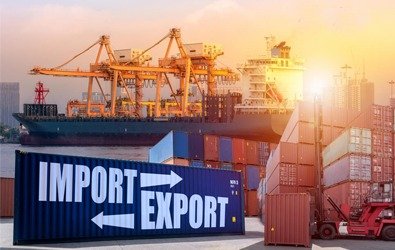
Dubai Import and Export License
To engage in import and export activities in Dubai, you must first obtain an import-export license. This process has been simplified by Dubai Customs, with many steps now available online.
- Trade License: The first step is to get a trading or general trading license from the Department of Economic Development (DED) or a relevant free zone authority.
- Customs Registration: Once you have your trade license, you must register your company with Dubai Customs to get a Customs Code. This code is mandatory for all import and export declarations.
- Special Goods: If you plan to import or export restricted or special goods, you will need to obtain specific permits from the competent government agencies.
Dubai Export
Exporting goods involves producing or obtaining products in one country and legally selling them in another. Export plays a vital role in international trade.
Procedure for Export:
- Submit Documents: The exporter must submit the required documents, including the Declaration of Goods Application (IDG) and a sales invoice.
- Pay Fees: Pay the export declaration registration fees to Dubai Customs.
- Receive Certificate: A Customs declaration certificate will be issued.
- Free Zones: Goods exported from a free zone are not subject to customs duties, as free zones are considered to be outside the customs territory of the UAE.
Documents Required for Export:
- An approved export declaration certificate in the name of a licensed company.
- A sales invoice detailing the quantity, description, and value of each item.
- An export permit for restricted goods.
Dubai Import
Importing involves bringing goods into the UAE from a foreign country while adhering to all legal procedures, documentation, and licensing requirements.
The Import Process:
- Delivery Order: Once the vessel arrives, the importer must present the original Bill of Lading to the shipping agent to get a Delivery Order.
- Customs Declaration: The importer must log in to the online portal (e.g., Dubai Trade) to create and submit an Import Declaration.
- Payment: Pay all customs duties and fees online.
- Clearance and Inspection: Dubai Customs will verify all documents and may order an inspection of the goods. Once clearance is granted, the importer can arrange for a transport company to receive the cargo.
Documents Required for Import:
- Commercial Invoice: From the exporter, detailing the goods and their value.
- Certificate of Origin: Stating the country of origin, approved by the Chamber of Commerce in the country of origin.
- Detailed Packing List: Including weight, method of packing, and HS code for each item.
- Import Permit: Required for restricted goods or duty-exempt cargo.